
The Benefits of Zero VOC Paint for Indoor Spaces
Have you ever found yourself getting dizzy from the smell of paint? Well it turns out, there’s a reason why. Many people experience headaches, dizziness,

Have you ever found yourself getting dizzy from the smell of paint? Well it turns out, there’s a reason why. Many people experience headaches, dizziness, and even nausea or breathing difficulties after being in a freshly painted room, among many other possible symptoms. This is primarily due to a compound found in many common paints called VOCs, or Volatile Organic Compounds.
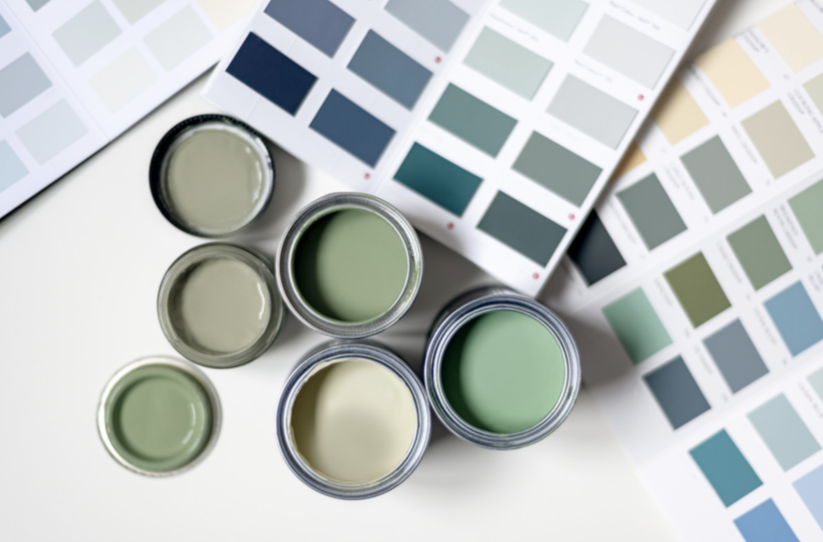
In simple terms, VOCs are carbon based compounds that were initially added to paints to aid in keeping the paint liquid while still in the can, and dry quickly once applied to a surface. At room temperature, the VOCs release in droves, causing the significant smell and health issues associated with them. VOCs can last for months or even years after the initial paint application, and while they have a much less significant effect when painting outdoors, can cause long term issues when used indoors due to poorer ventilation. Even pets are known to be irritated by them.
The good news is that in today’s world, we have low and even zero VOC paint options to choose from. While their original intended use was to maintain the quality of the paint, we have thankfully discovered other ways to do this without all of the harmful side effects of such a powerful smell caused by these chemicals. Low and zero VOC paints are virtually odorless both when opened and after application, so there’s no need to move out of the room you’ve just painted for a few days while it ‘airs’ out. Having little to no odor is a sign that the paint is much safer to use in both the short and long term, but it doesn’t sacrifice the quality for your project, either.
When low and zero VOC paints were first released, they had a reputation of being slower to dry and applying in much thinner layers than traditional paint, seemingly creating more work and time spent on any painting job. However, this is actually not the case anymore, as through innovation of these low and zero VOC paints they often dry faster and provide a thicker coat of paint from the start. While they’re still working their way up on the interior paint shelves in stores to be as abundant as traditional paints, their health and environmental benefits are sure to outshine high VOC paints and soon become the norm for interior painting projects.

Regarding their environmental benefits, you may not think that the exact paint you choose for your upstairs bedroom is really that significant in the grand scheme of environmentalism. But in reality, low and no VOC paints significantly reduce the chemical emissions caused by all sorts of construction related jobs, and every little bit counts. Just as we are encouraged to recycle everything we can and imagine a world where everyone does just that, think about the impact that simply choosing a more environmentally-conscious paint company’s products could have if everyone decided to switch. Not only would the impact on each household member’s health be significantly for the better, but the environment as a whole would be better off in both the short and long term as well. You may not consider your paint choice for your own house to be significant, but every little bit helps.
Paint primers are no exception to this innovation, either. While primers also historically had harmful levels of VOCs in their formulas, there are also now many low and zero VOC primer options available for the “glue” of your projects as well. The best part of this new low and zero VOC phase of primers is that they dry much faster than their traditional high VOC counterparts, so you’re able to move on with your project much quicker than you normally would.
Environmental, health, and time conscious paint products are all anyone trying to fit a DIY home project into their busy lives could hope for. Thankfully, Vista paint has an abundance of options for you to choose from.
1. What are VOCs in paint?
VOCs (Volatile Organic Compounds) are carbon-based chemicals added to paint to keep it liquid and help it dry quickly, but they release harmful fumes into the air.
2. Why does paint smell so strong?
Paint smells strong because VOCs evaporate at room temperature and release chemical fumes into the air, creating that distinct “fresh paint” smell that can last for months and release VOCs for several years, even if the smell dissipates over time.
3. Is low VOC paint safer than traditional paint?
Yes, low VOC paint significantly reduces harmful emissions and is safer for people, pets, and the planet.
4. What is zero VOC paint?
Zero VOC paint contains little to no volatile organic compounds, making it virtually odorless and much safer for indoor use without sacrificing quality.
5. Can pets be affected by paint fumes?
Yes, pets are sensitive to VOCs and can experience irritation or breathing problems from traditional paint fumes, even after people stop detecting the smell themselves.
6. Does low VOC paint dry slower?
Modern low VOC paints often dry as fast or faster than traditional paints due to improved formulas.
7. Is low VOC paint good for nurseries and children’s rooms?
Yes, it is highly recommended because it minimizes chemical exposure for children.
8. Does low VOC primer dry faster?
Yes, many low VOC primers dry faster than traditional high VOC primers.
9. Does low VOC paint last as long as traditional paint?
Yes, modern low VOC paint is designed to be durable and long-lasting. You won’t sacrifice quality for choosing a low or zero VOC paint these days.
10. Why choose Vista Paint for low VOC paint?
Vista Paint offers a wide range of low and zero VOC paint and primer options designed for health, performance, and environmental responsibility.
Have you ever found yourself getting dizzy from the smell of paint? Well it turns out, there’s a reason why. Many people experience headaches, dizziness,

Imagine this: you’ve worked tirelessly for weeks trying to complete your DIY home paint job. You noticed every flaw and diligently remedied each and every

Baseboards and trim can elevate the appearance of your home’s interior, but even the most ornate trim piece will look dilapidated if it is not
Have you ever found yourself getting dizzy from the smell of paint? Well it turns out, there’s a reason why. Many people experience headaches, dizziness,
Imagine this: you’ve worked tirelessly for weeks trying to complete your DIY home paint job. You noticed every flaw and diligently remedied each and every